

Thermal Oxidizers
Regenerative Thermal Oxidizers (RTOs)
Cost-Effective VOC Abatement and Odor Control with Up to 98% Thermal Efficiency
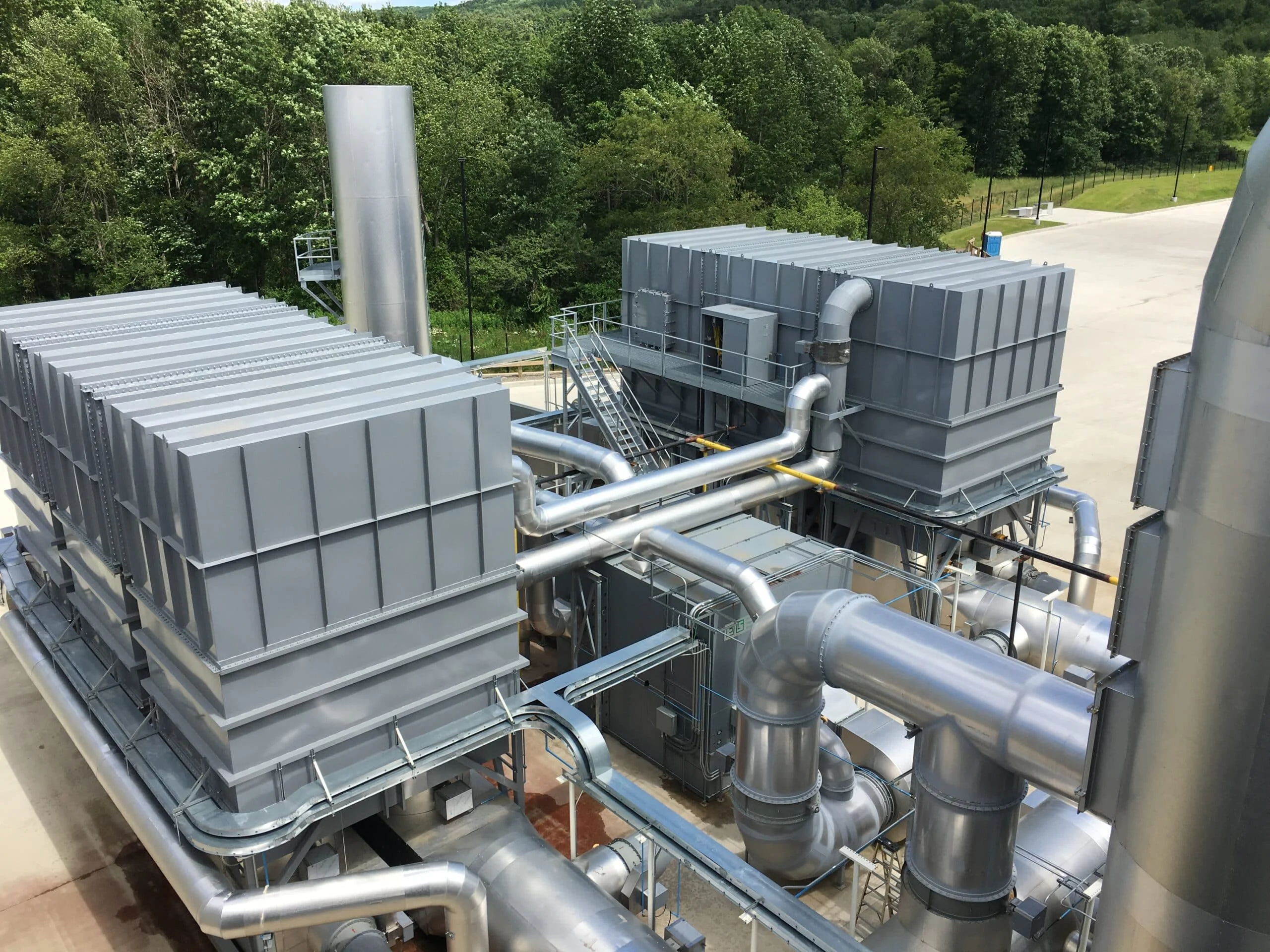
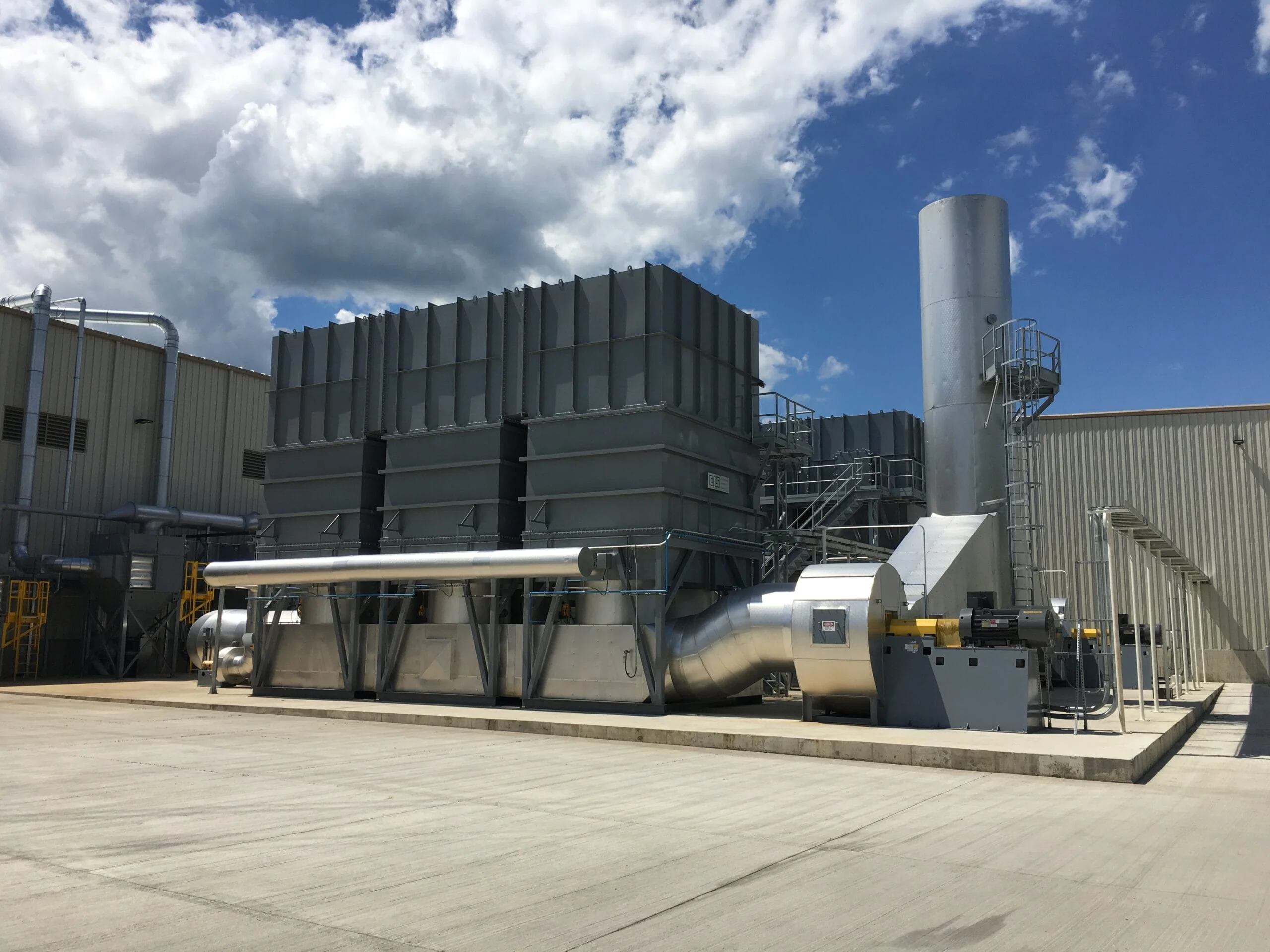
Regenerative Thermal Oxidizers (RTOs) are engineered to maximize energy efficiency through innovative heat recovery methods. RTOs play a critical role in reducing harmful emissions from industrial processes by converting contaminants, including volatile organic compounds (VOCs), hazardous air pollutants (HAPs) and odors into harmless carbon dioxide and water vapor, ensuring cleaner air and minimizing the impact on public health and the environment. RTO systems not only reduce operational costs but also minimize energy consumption, making them an environmentally responsible solution for air pollution control.
EIS Regenerative Thermal Oxidizers are designed to deliver exceptional performance while minimizing lifetime costs. With thermal efficiencies up to 98% and the capability for autothermal (flameless) operation, our RTOs provide reliable, cost-effective air pollution control for the most demanding industrial applications.
RTO Brochure
How EIS RTOs Work
Heat Recovery
Contaminated air enters the oxidizer through a hot ceramic bed, where it absorbs heat before combustion. If sufficient heat is generated from internal heat recovery, the burner switches off, achieving autothermal operation without any fuel consumption in a flameless mode.
Clean Air Release
The cleaned air exits through a second ceramic bed, transferring its heat to incoming air and leaving the system only slightly warmer than when it entered.
Combustion
The heated air moves into the combustion chamber, where it is oxidized at temperatures typically between 760°C and 850°C (1,400°F to 1,562°F). This exothermic reaction releases energy, maintaining the system’s temperature. At these elevated temperatures, destruction efficiency in the combustion chamber approaches 99%+.
Cycle Reversal
To maintain efficiency, the system periodically reverses the airflow direction, ensuring consistent heat recovery and destruction efficiency.
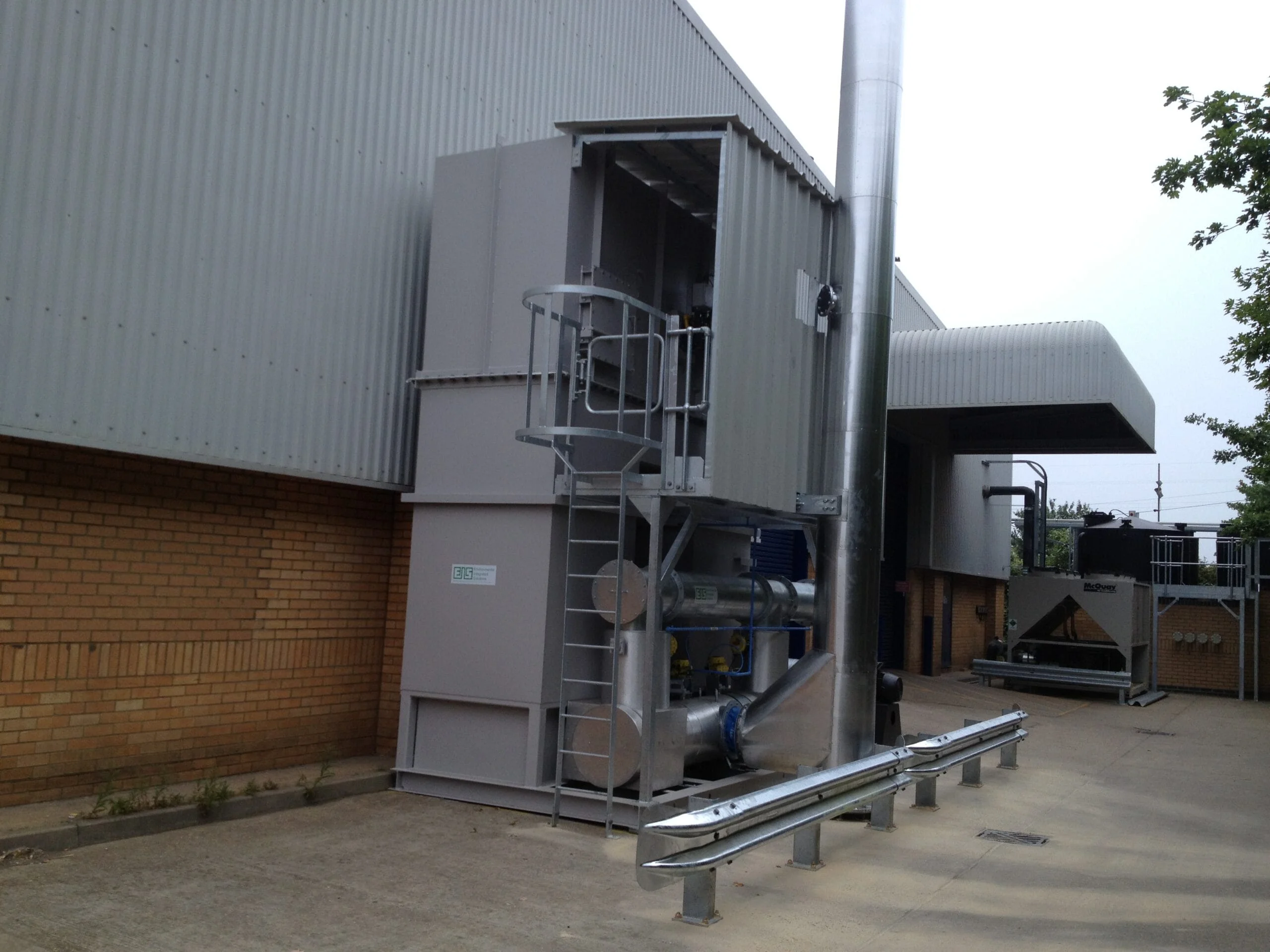
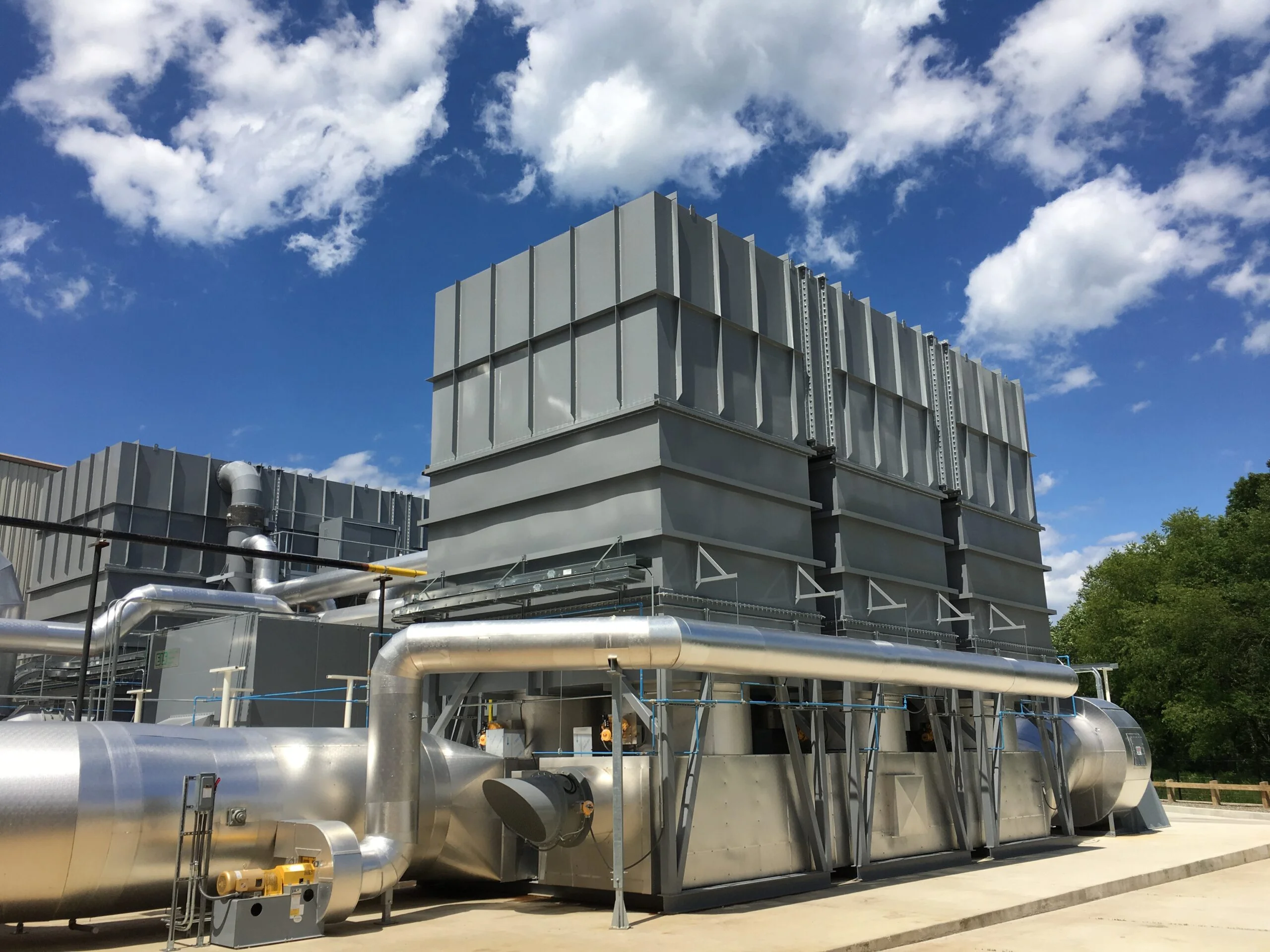
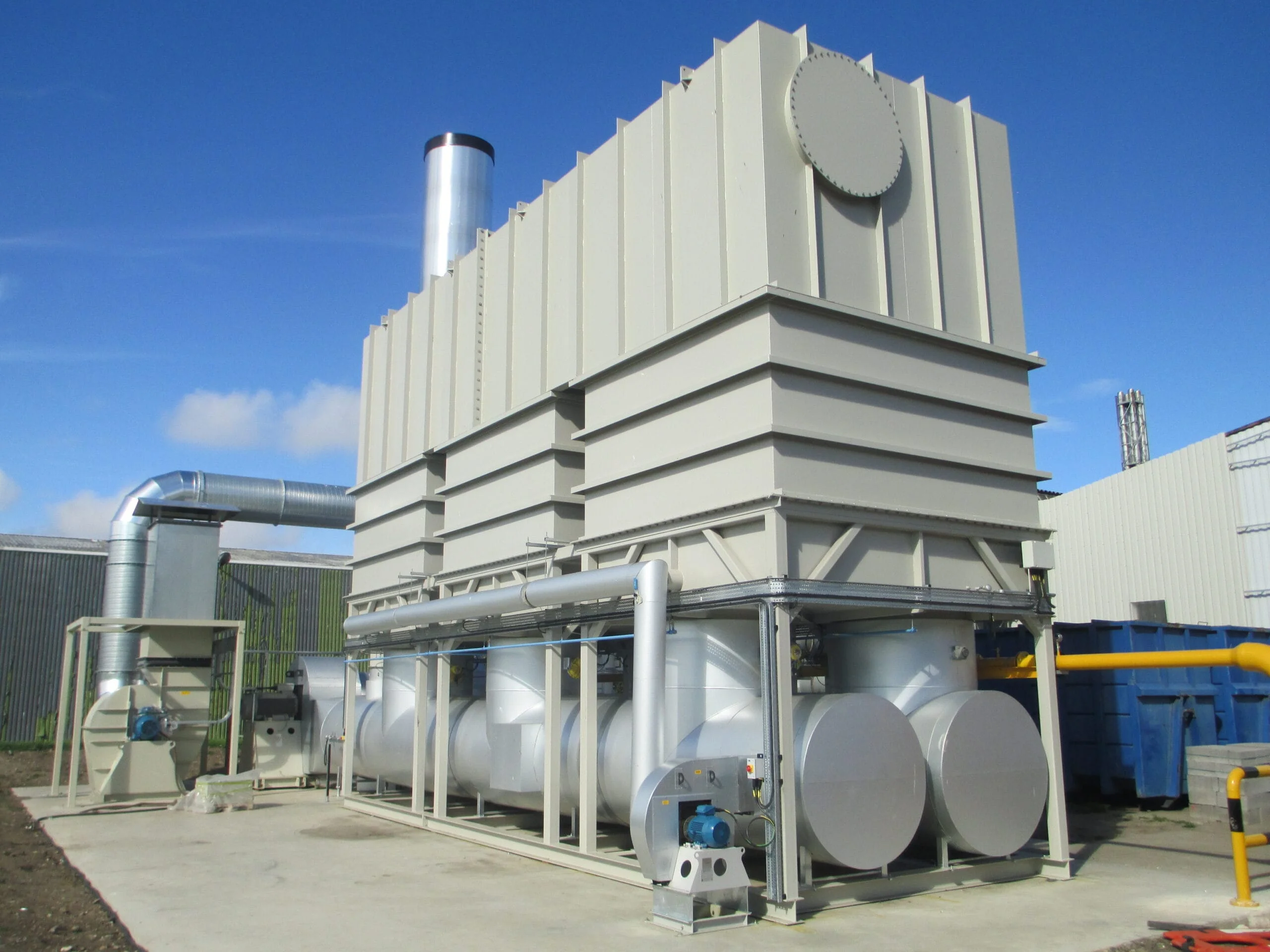
Two-Canister vs. Three-Canister RTOs
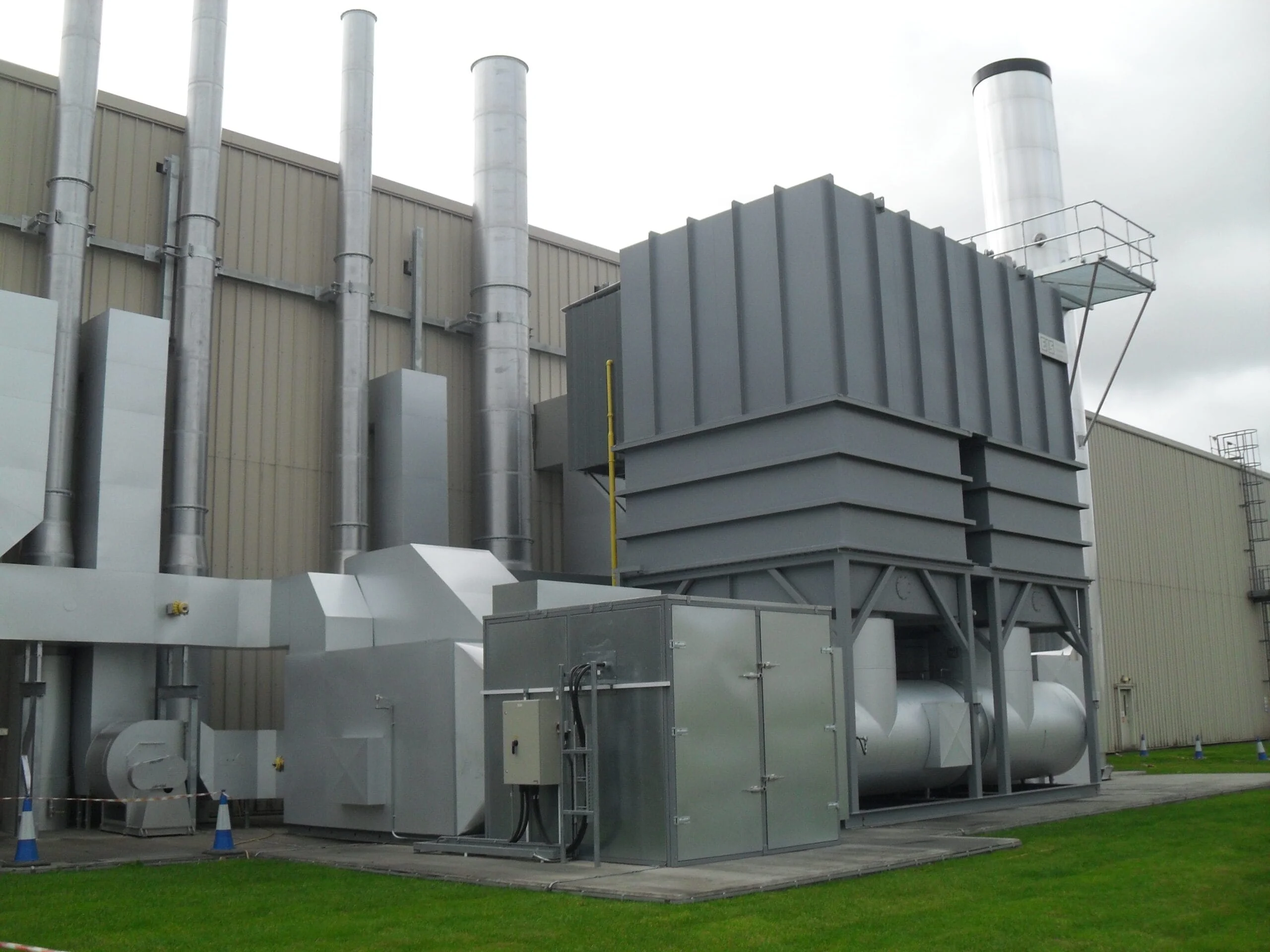
Two-Canister RTOs
Cost-effective and suitable for many industrial processes while achieving high destruction efficiency.
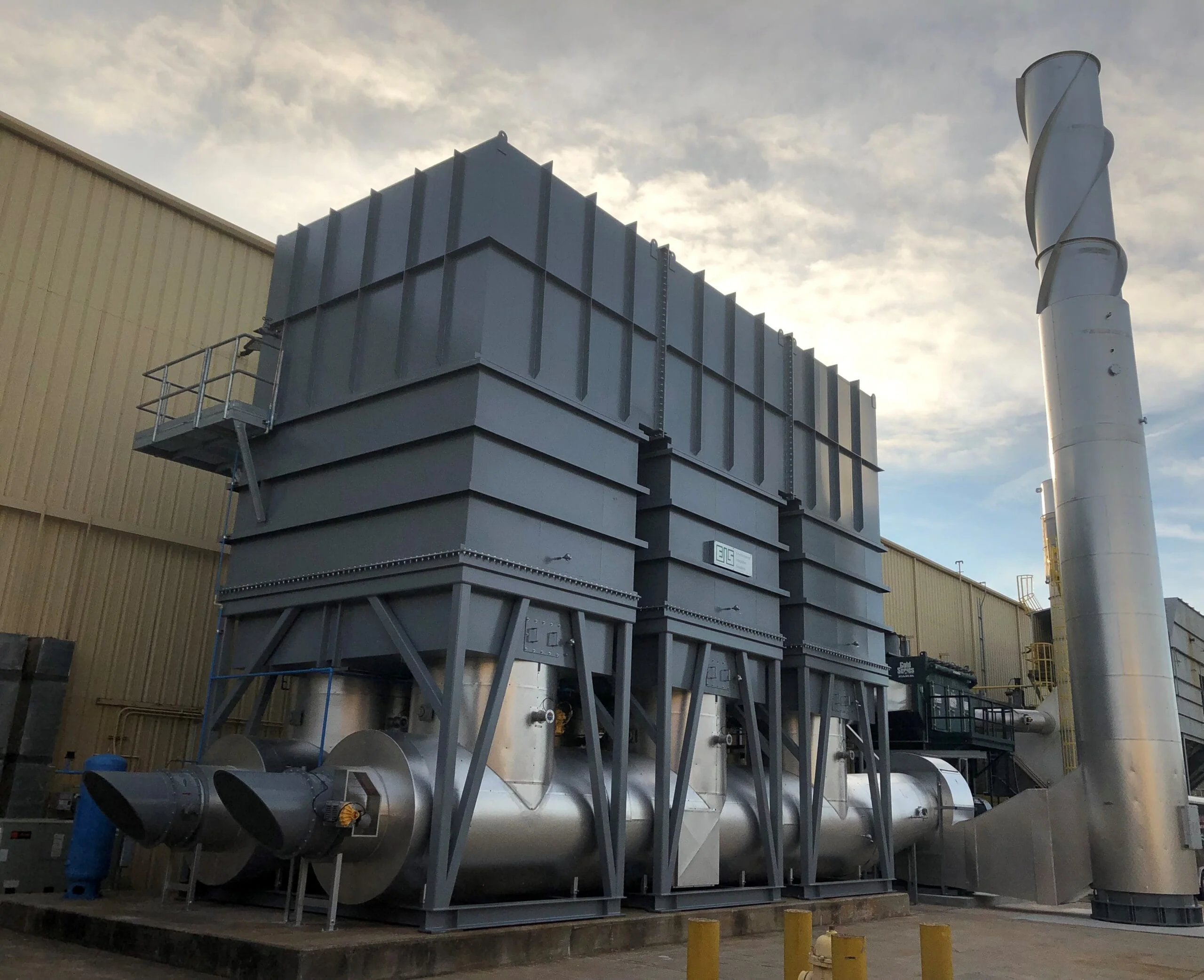
Three-Canister RTOs
Ideal for applications requiring destruction efficiencies of 99% or greater. These systems include a purge system to prevent untreated air from being released, making them perfect for odor control and high-solvent applications.
Ideal for:
- Applications with standard emission requirements
- Processes where periodic brief emissions are acceptable
- Budget-conscious projects requiring proven technology
Ideal for:
- High solvent level applications
- Odor control where continuous compliance is critical
- Processes requiring maximum destruction efficiency
- Applications with stringent emission regulations
Two-Canister vs.
Three-Canister RTOs
Two-Canister RTOs
Cost-effective and suitable for many industrial processes while achieving high destruction efficiency.
Ideal for:
- Applications with standard emission requirements
- Processes where periodic brief emissions are acceptable
- Budget-conscious projects requiring proven technology
Three-Canister RTOs
Ideal for applications requiring destruction efficiencies of 99% or greater. These systems include a purge system to prevent untreated air from being released, making them perfect for odor control and high-solvent applications.
Ideal for:
- High solvent level applications
- Odor control where continuous compliance is critical
- Processes requiring maximum destruction efficiency
- Applications with stringent emission regulations
EIS SPECIALIZED RTO SOLUTIONS
Corrosive Gases
RTOs for acid gas treatment, corrosion-resistant materials and coatings
and specialized construction for harsh chemical environments
Oxygen-Deficient Environments
RTOs for custom air injection systems, controlled oxygen introduction and safe operation in low-oxygen conditions
Vapor Phase Silicon
Specialized RTO designs to prevent silica buildup, and optimized cleaning and maintenance protocols offer extended operational life in silicon-containing processes
Wet or Particulate-Laden Streams
RTOs for moisture-resistant designs, condensate management systems and
protection against thermal shock
Acidic or High-Temperature Atmospheres
RTO designs featuring integrated pre-filtration options, ceramic bed protection strategies and maintenance-optimized configurations
Twin Seal Dampers
Minimize cross-canister contamination and maintain efficiency across a wide range of operating volumes